
Stone guide
Choose the right stone for the way you live.
Quartz, granite, quartzite, marble, soapstone or porcelain? Here is how they compare in plain terms, from 15 years of fabricating and installing every one of them.
At a glance
Compare the materials side by side
A quick look at how each material handles everyday life. Every option can look stunning. The right one depends on how you use your kitchen or bath.
Engineered
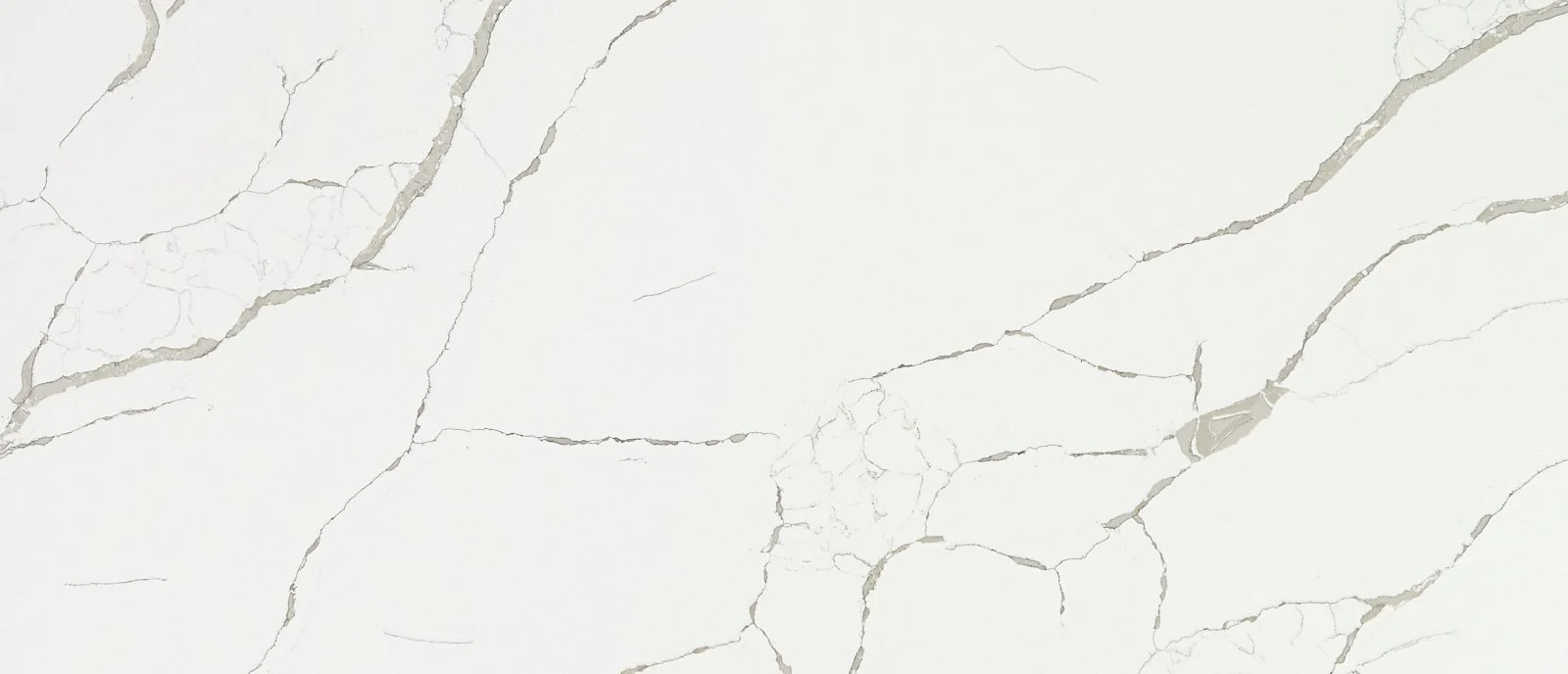
Quartz
Natural quartz bound with resin. Consistent color and pattern, and no sealing needed.
- Durability
- Very good
- Heat
- Fair
- Stains
- Excellent
- Upkeep
- Very low
Best for: Busy family kitchens that want a low-maintenance, uniform look.
Natural stone
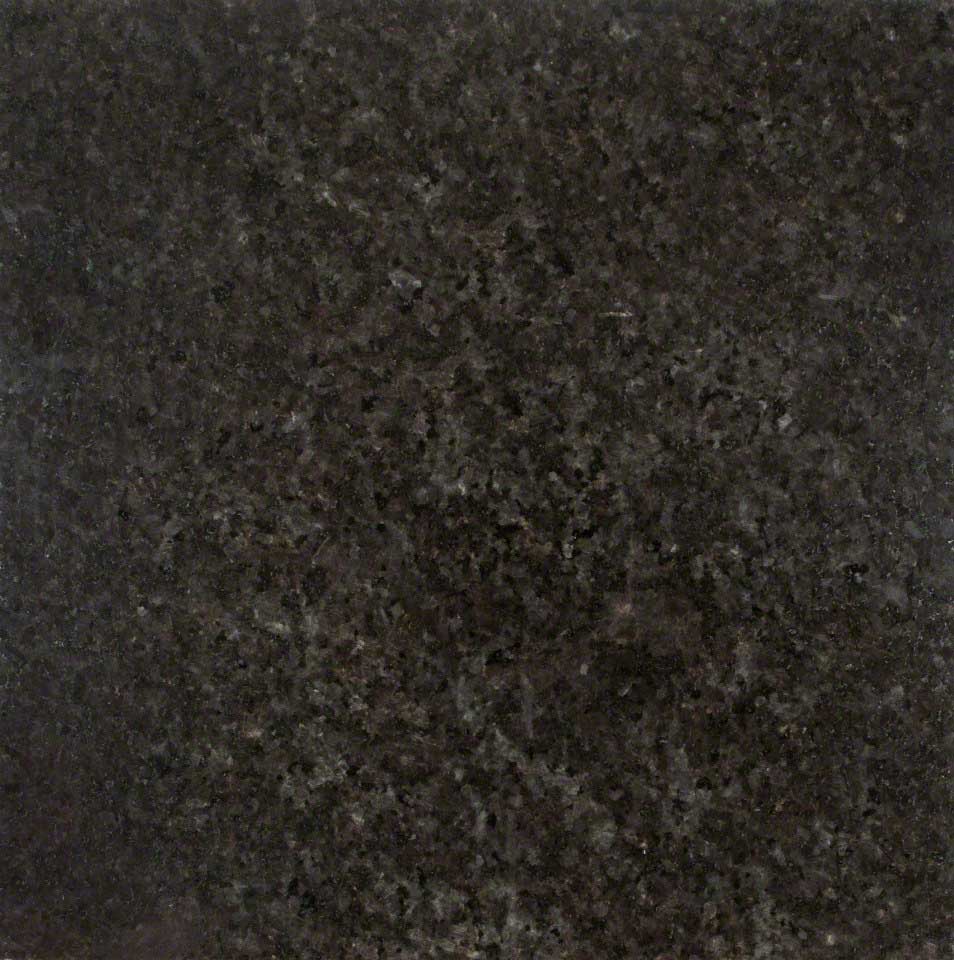
Granite
Hard, dense and natural. Handles heat and daily wear with ease. Every slab is one of a kind.
- Durability
- Excellent
- Heat
- Excellent
- Stains
- Very good
- Upkeep
- Low
Best for: Hard-working kitchens and anyone who cooks a lot.
Natural stone
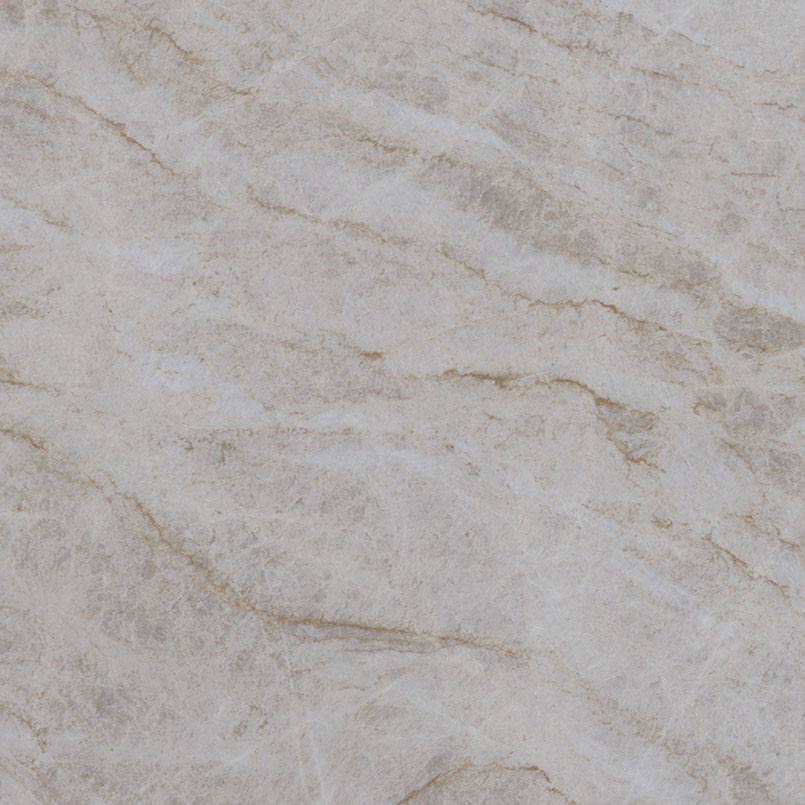
Quartzite
The look of marble with much more toughness. Dense, with natural veining and movement.
- Durability
- Excellent
- Heat
- Excellent
- Stains
- Good
- Upkeep
- Low
Best for: A marble look in a kitchen that gets real use.
Natural stone
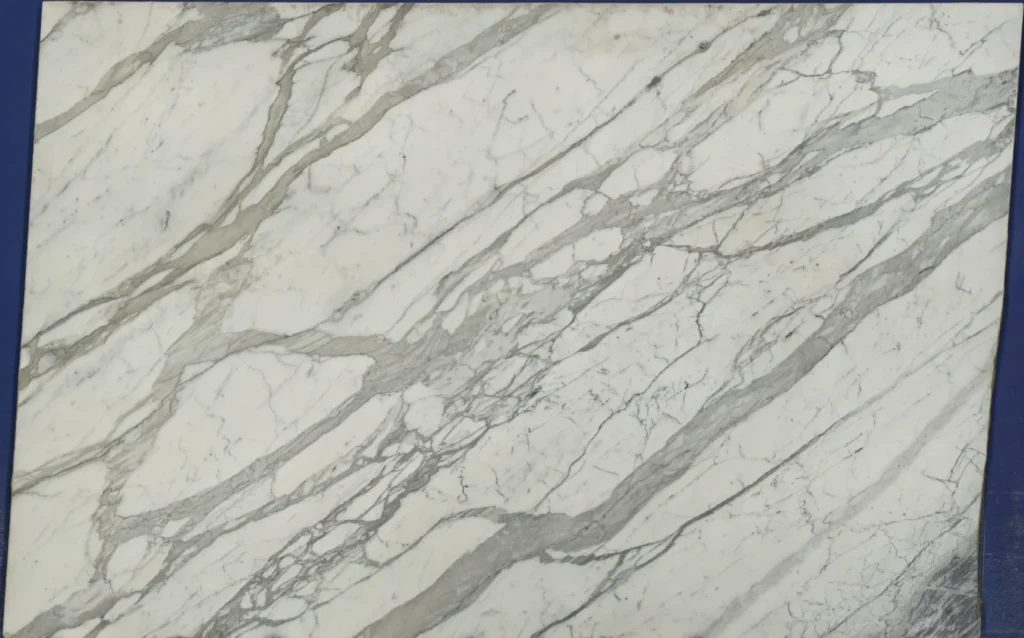
Marble
Timeless and elegant. Softer and more porous, so it develops a patina over time.
- Durability
- Fair
- Heat
- Good
- Stains
- Fair
- Upkeep
- Higher
Best for: Bathrooms, fireplaces and statement islands.
Natural stone
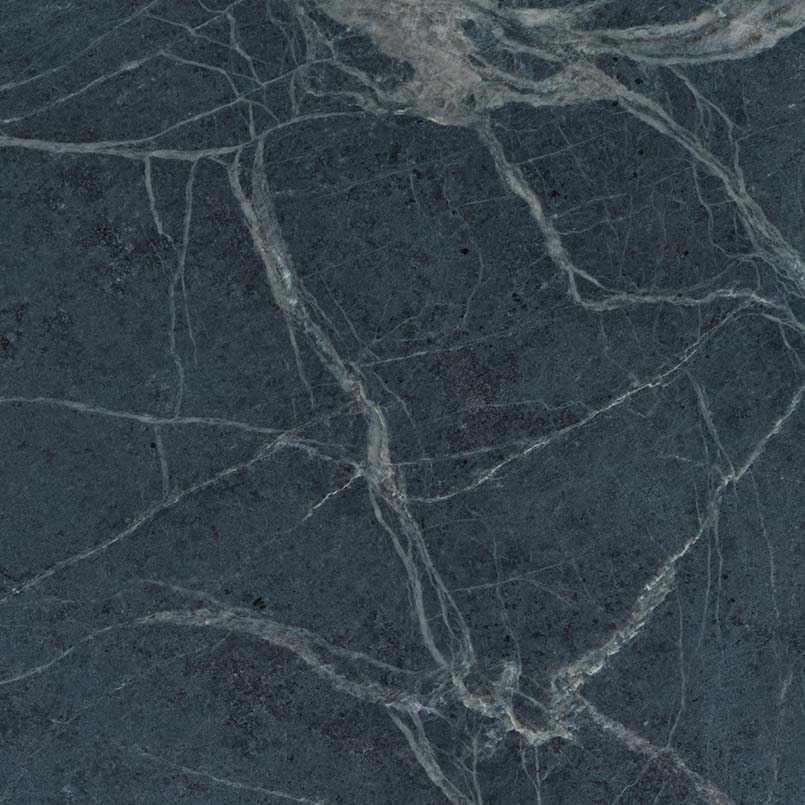
Soapstone
Soft and silky to the touch. Resists stains and heat. Scratches can be sanded out.
- Durability
- Good
- Heat
- Excellent
- Stains
- Excellent
- Upkeep
- Moderate
Best for: Farmhouse and classic kitchens that welcome character.
Ultra-compact
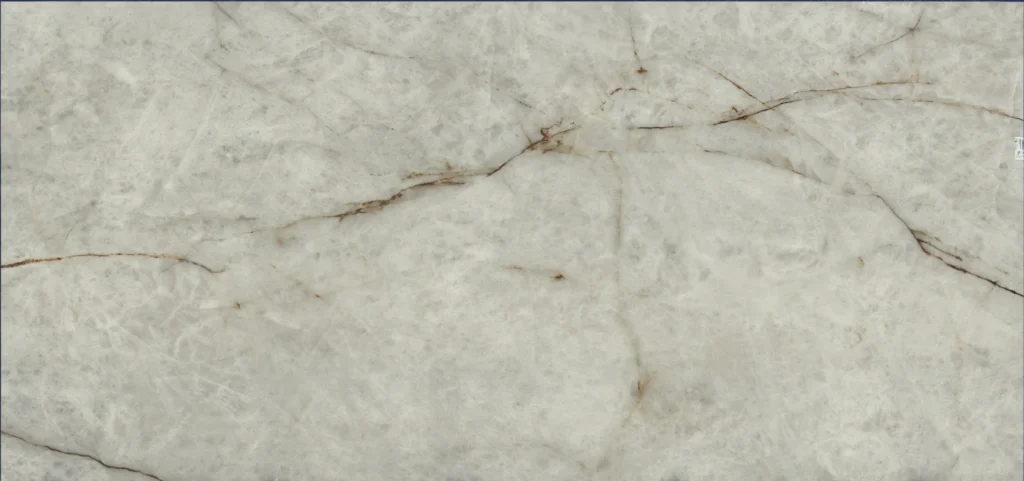
Porcelain & sintered
Thin, light and very resistant to heat, stains and UV. Edges need care against hard knocks.
- Durability
- Very good
- Heat
- Excellent
- Stains
- Excellent
- Upkeep
- Very low
Best for: Modern designs, waterfall islands and full-height backsplashes.
Ratings are a general guide. Performance varies by slab, finish and brand. Ask our team about a specific stone.
Engineered
Quartz
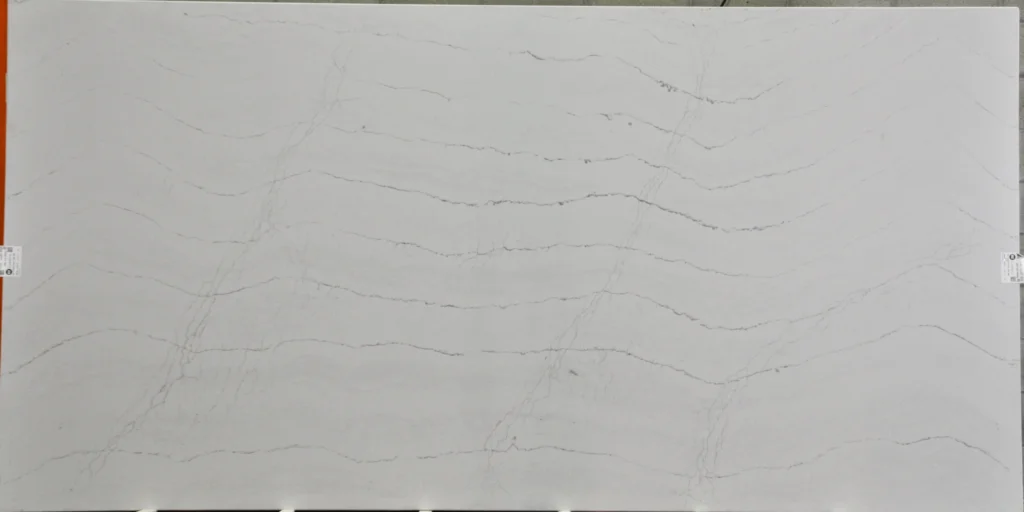
Quartz is one of the most popular countertop materials thanks to its durability and wide range of colors. It is made mostly of natural quartz, bound with a small amount of resin and pigment. The exact recipe varies by manufacturer, and some products add glass or concrete, which can make them more porous.
- Resistant, not invincible. Quartz can stain, scratch, chip, crack or discolor if it is not used properly.
- Natural variation is normal. Small spots, slight color differences and minor imperfections are part of the material.
- Inspect before installation. We always recommend reviewing your slabs before they are fabricated.
- Keep the factory finish. Altering the finish voids the manufacturer’s warranty. We recommend a minimum 1/8″ radius on edges to prevent chipping.
- Protect it from heat. Avoid direct heat from hot pans, air fryers and fireplaces. Use trivets, cutting boards and supports for heavy items.
- Indoors only. Quartz is not recommended for outdoor use unless the manufacturer specifies it.
Quarried by nature
Natural stone
Natural stones vary in both appearance and structure, and some are more porous than others. The finish also matters: polished marble, for example, shows etching more easily than honed marble.
Stone is quarried in blocks, cut into slabs and sorted into lots by color and pattern. We take slab matching seriously so your project looks cohesive, although natural shade variation is part of the beauty.
Granite
Durable and resistant to scratches, heat and stains. Texture can vary with its mix of minerals.
Quartzite
Very dense, with natural fissures. We only use slabs where fissures do not compromise the structure.
Dolomite
A strong type of marble, but more prone to etching than quartzite.
Marble & calcite
Softer and more porous. Can scratch, stain and etch, so they suit baths and fireplaces best.
Soapstone
Strong and stain-resistant, but scratches easily. Marks can be sanded out, and it needs regular oiling or waxing.
Lots & bundles
Lots group slabs with the same traits, and bundles keep matching slabs together for a cohesive look.
- All natural stone is porous. Some more than others. Sealing and the right finish protect both looks and structure.
- Every slab is unique. Color and veining vary from slab to slab, so we recommend choosing your actual slabs in person.
Ultra-compact surfaces
Porcelain & sintered stone
Porcelain and sintered stone are strong, but they require careful handling. We walk every client through the material. Once installation is complete, caring for it properly is the owner’s responsibility.

- Fabrication. Specialized tools and techniques are required, and internal tension can still cause cracks. We cannot be responsible for cracks during fabrication, transport or installation, so please plan for extra material.
- Installation. Cabinets must be level to support the material. Our technicians approve the conditions before installing.
- After installation. Heavy impacts, standing on the surface, extreme heat or sudden temperature changes can cause damage. Settling structures that leave uneven support can also cause cracks.
Finishes
The finish changes the look and the feel
The same stone can look completely different depending on how its surface is finished.
Polished
Glossy and reflective. Brings out the depth of color and veining, and resists stains well. On marble it shows etching more easily.
Honed
Smooth and matte for a soft, natural look. Hides etching better, but can show fingerprints and needs regular sealing.
Leathered
Textured with a subtle sheen. Hides fingerprints and water spots, and gives granite and quartzite a rich feel.
See the stone in person.
Visit our Franklin slab yard or Portsmouth showroom, compare materials side by side and get honest advice from our team.